


Now to the outdoor exhibits.


The Rustom-2 MALE-UAV has been re-named (only God-knows-why) as TAPAS. Now to some of the prominent indoor exhibits.




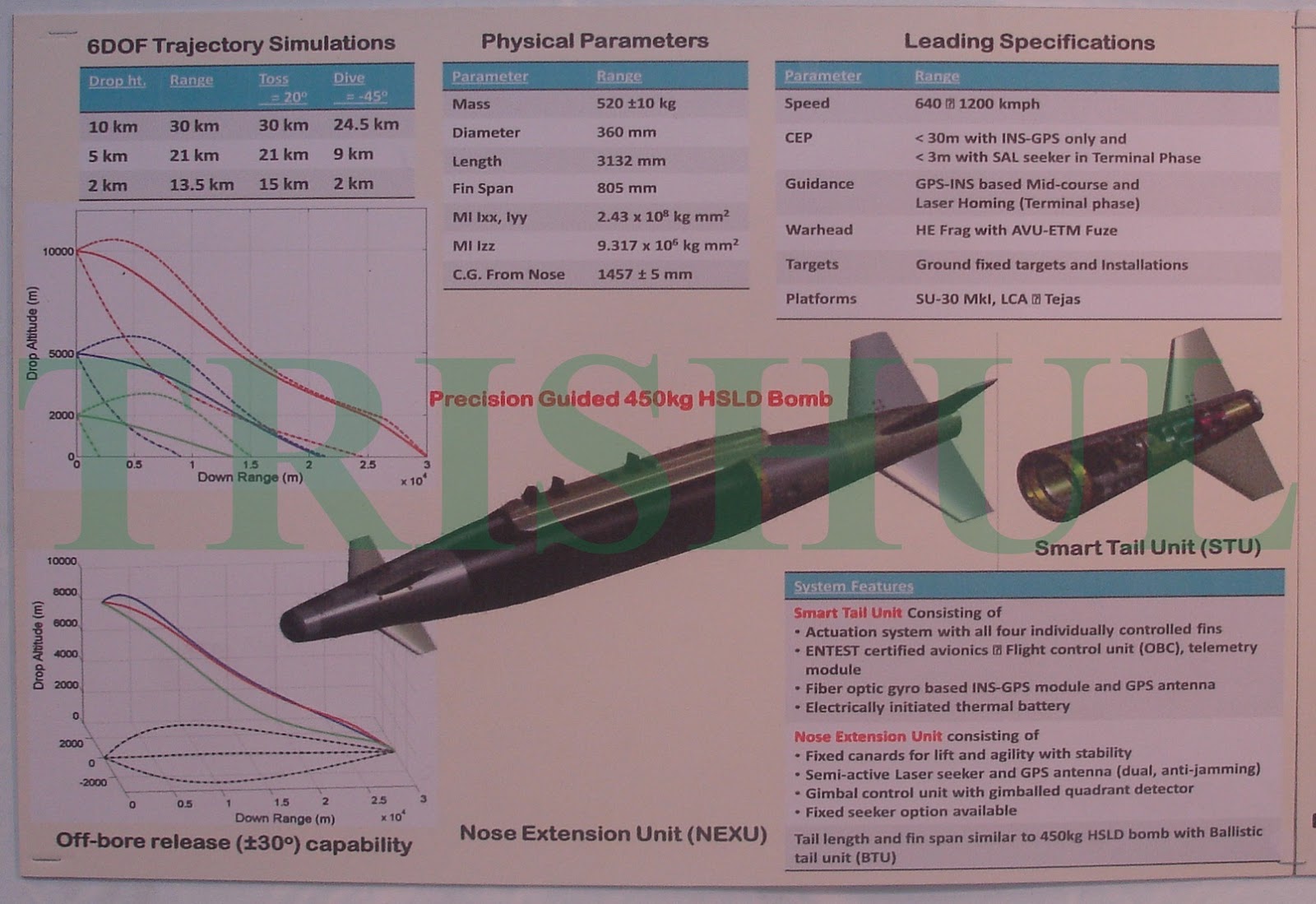


Here are two Indian companies that have developed innovative, world-beating engineering solutions (whose IPRs are totally India-owned) that do not get to make headline-news, but which have significant export potential.


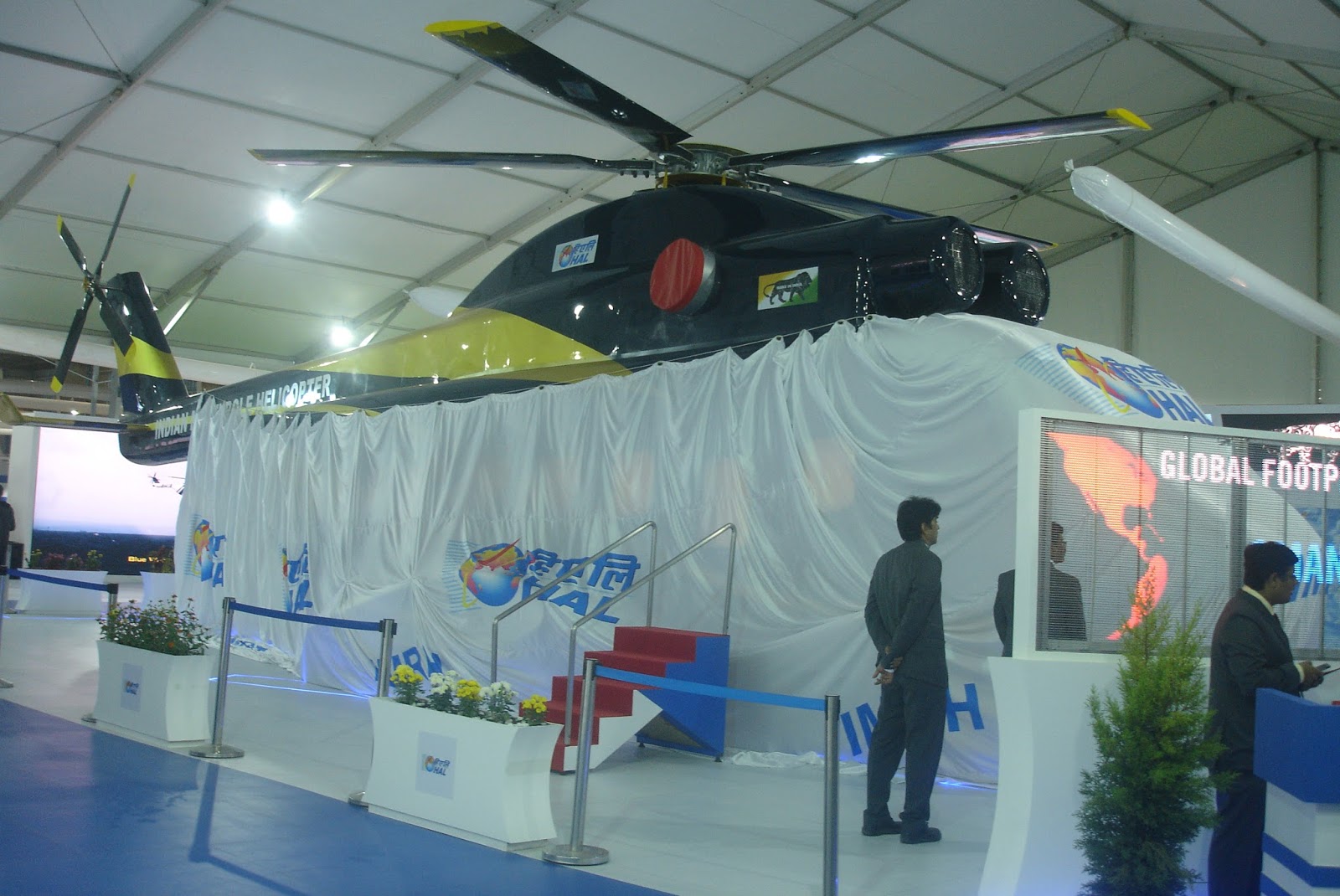
The full-scale mock-up of the IMRH was unveiled on February 14. To develop it as a fully certified product, however, is a totally different story, since this requires the industrial cooperation of a strategic industrial partner of foreign origin.

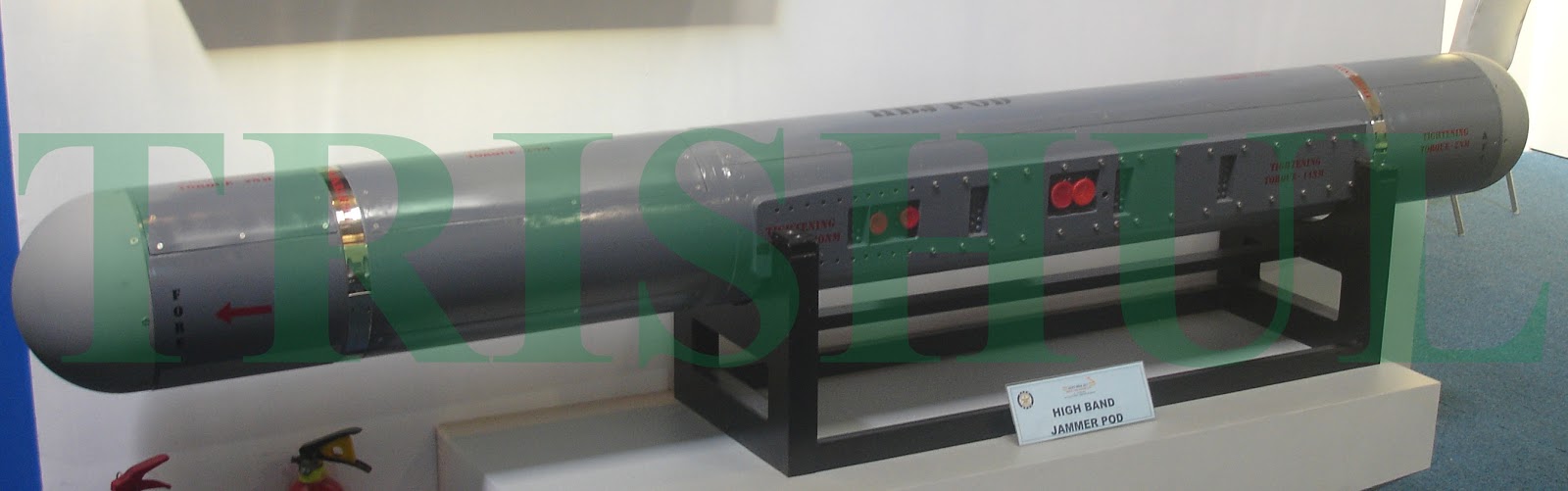
Below are some of the more interesting exhibits.



Here is the CAPTOR-E AESA-MMR with its swashplate mechanisam in action in both azimuth and elevation.


And being shown for the very first time in India is the EL/M-2083 aerostat-mounted airspace surveillance radar, two of which are already operational with the IAF.


Here are the deployment configurations of Akash-1 SAM


Now we come to the rather interesting QR-SAM project, under which LRDE will supply the truck-mounted active phased-array early warning/engagement radars, while BDL will supply the truck-mounted QR-SAMs and BEL will be overall systems integrator and manufacturer of the radars. The SAM to be used will be a variant of the Astra-1 BVRAAM that will use a locally-developed Ku-band active seeker. It is gratifying to see that a proposal that I had tabled way back in 2007 to the DRDO is now finally coming true.

Below are more close-ups of the Uttam AESA-MMR.


Below are the DARE-designed cockpits of the Super Su-30MKI.


And the DARE-developed internal ASPJs for both the Jaguar IS/DARIN-3 and LCA Mk.2.

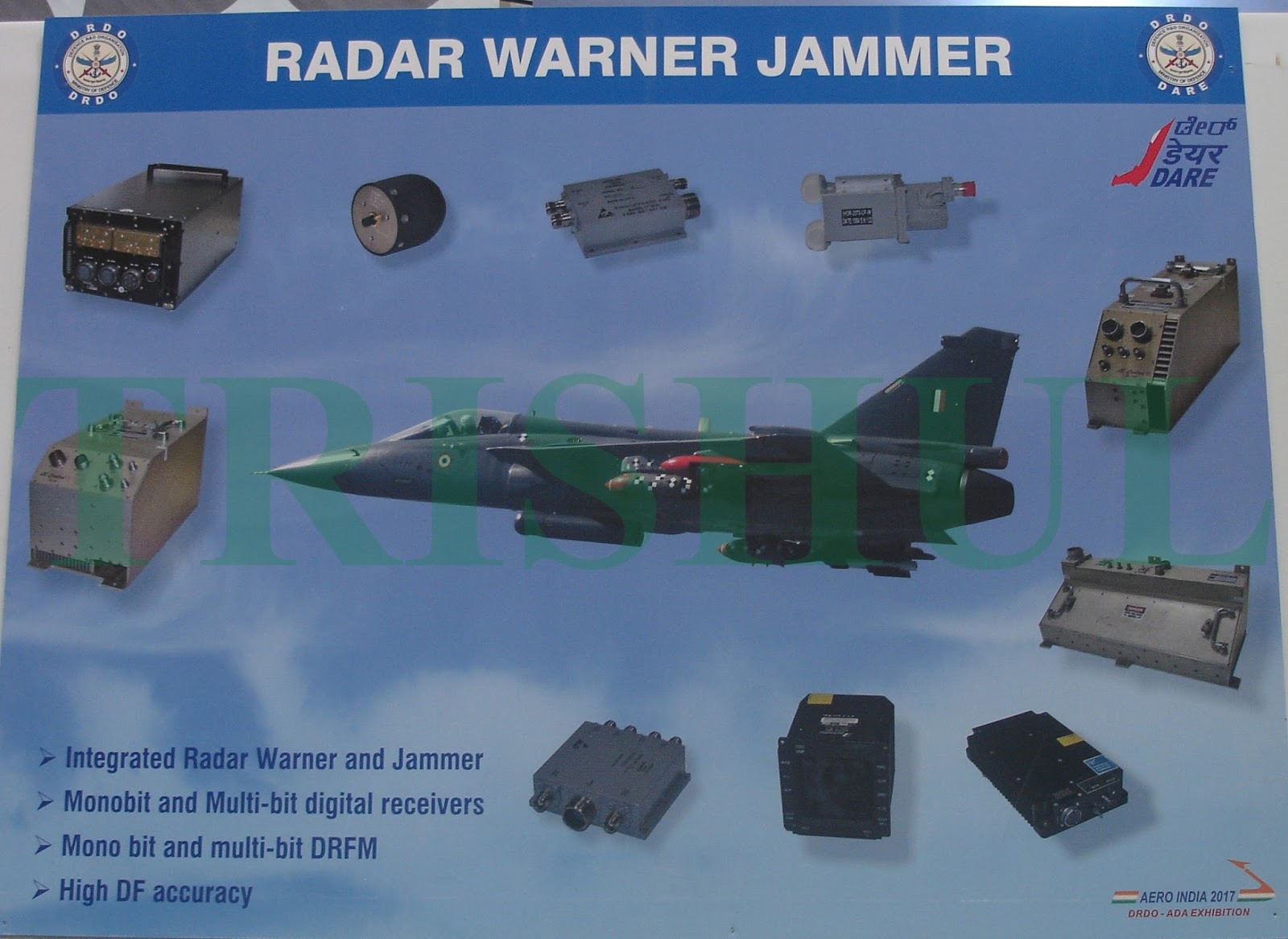
And the DARE-developed MAWS installation for the IAF's 40 Mi-17-IVs.

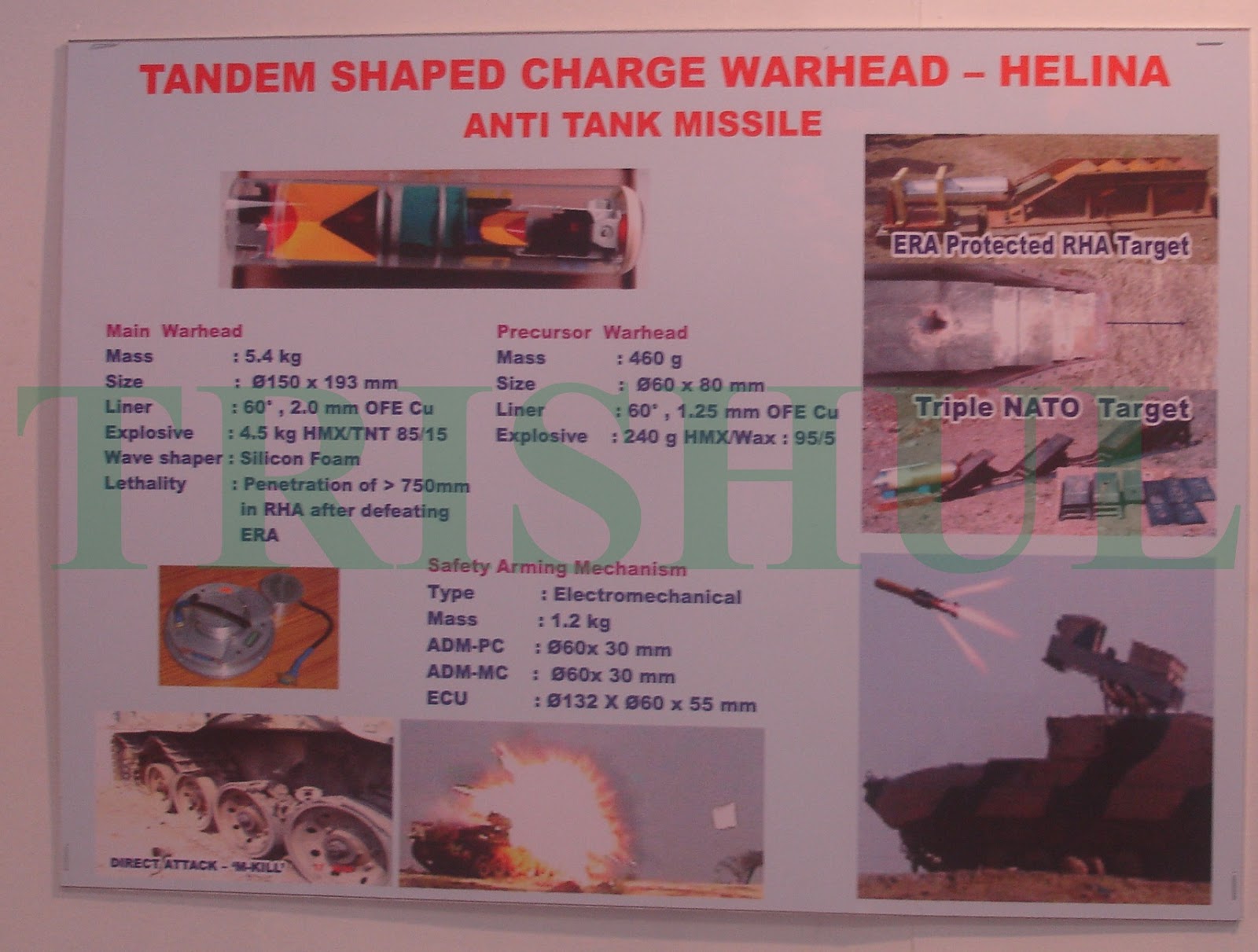
The HELINA missile's IR-CCD seeker has so far been able to achieve a range of 5km and efforts are on to increase it to 7km. A quad-rack launcher is also under design.


The Ishapore Rifle Factory of OFB has already delivered several Ghaatak 7.62 x 39 SLRs to the Kerala State Police, and its 7.62 x 51 variant is now undergoing field trials with the Indian Army, which has formally committed its determination to acquire them to replace the existing 5.56mm INSAS SLRs.

Some more internal exhibits below.


The Indian Navy (IN) on February
17, 2017 signed a Rs.200-crore contract with TATA Advanced Systems Ltd
(TASL)-owned Nova Integrated Systems Ltd for the procurement of 12 Scanter-6000 X-band 2-D surface surveillance radars (SSR) developed
by TERMA of Denmark under the ‘Buy and Make (India)’ category. The
SSRs and their related command-and-control consoles will be installed on the IN’s
Project 1241REM FAC-Ms, and Project 25 and Project 25A guided-missile corvettes.
TERMA had earlier supplied Scanter-2001 dual-band (S/X) radars for India’s
coastal surveillance system. Nova’s
bid was more than five times lower than the highest bidder. It had quoted US$30
million against rivals Tata Power SED with $44 million and Mahindra Defence
Systems with $173 million. The SSR tender was the first to be issued under the ‘Buy
and Make (India)’ category. The IN in future intends to procure a
total of 31 SSRs, for which Nova is required to provide at least 50% indigenous
content. Nova will also provide seven years of guaranteed maintenance and
lifetime spares support. The SSR tender was floated in June 2013 and seven
domestic companies had submitted their bids. In addition to Nova, Mahindra
and TATA Power SED, bids were sent to Broadcast Engineering
Consultants India, Data Patterns, Larsen & Toubro and Bharat Electronics
Ltd. However, only Nova, Mahindra and TATA Power SED were shortlisted. Nova
had teamed up with TERMA, Mahindra had partnered with ELTA Systems of
Israel and TATA Power SED represented INDRA of Spain.

Earlier, TASL had on October
8, 2014 teamed up with TERMA for co-developing naval combat management systems (CMS). Subsequently, the two companies jointly
established a CMS Development Centre in Delhi to work closely with the IN.

SATCOM panels atop the CABS-designed A330-220 AEW & CS.

Astra Microwave-built sub-structures for NG-ARM and Astra-1 BVRAAM.


BEL’s airborne SDR (above) for both the Tejas Mk.1A and Super Su-30MKI has
been rejected in favour of a RAFAEL-developed system (below) that combines both the SDR
and the operational data-link (ODL) imto one single LRU.

DEAL-developed and BEL-built SDR for the Indian Navy.

BEL unveilled its latest STARS-V manpack radio for the Indian Army.


Nucon Aerospace Pvt Ltd-built components.


HAL-developed HTSE 1200 turboshaft for helicopters.

Leonardo (formerly Finmeccanica) had a well-attended booth at the expo.

Army Aviation version of the Rudra with air particle filter fitment.

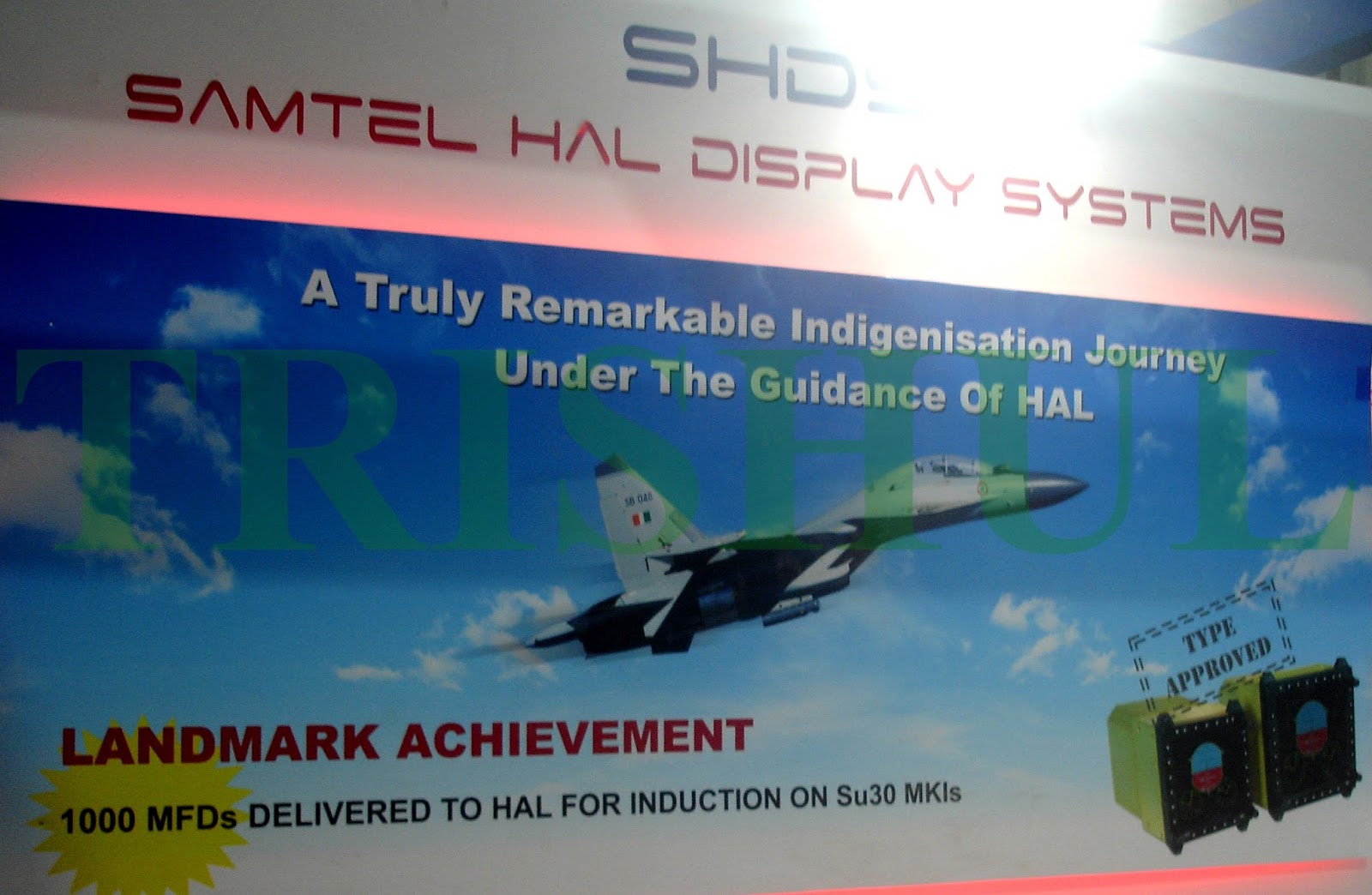
SHDS Booth.

In response to several queries that I have received about what escort jamming is all about, the following three slides explain it all.


